Still Becoming…
Reflections on ageing, art, and the freedom to grow
There is something quietly radical about asking women to tell the truth about their lives.
A recent creative project celebrating the richness, resilience, and wisdom of women’s experiences invited participants to reflect on their journeys—past, present, and future. What emerged was not simply a looking back, but a deeper exploration of identity, growth, and what it means to continue evolving later in life.
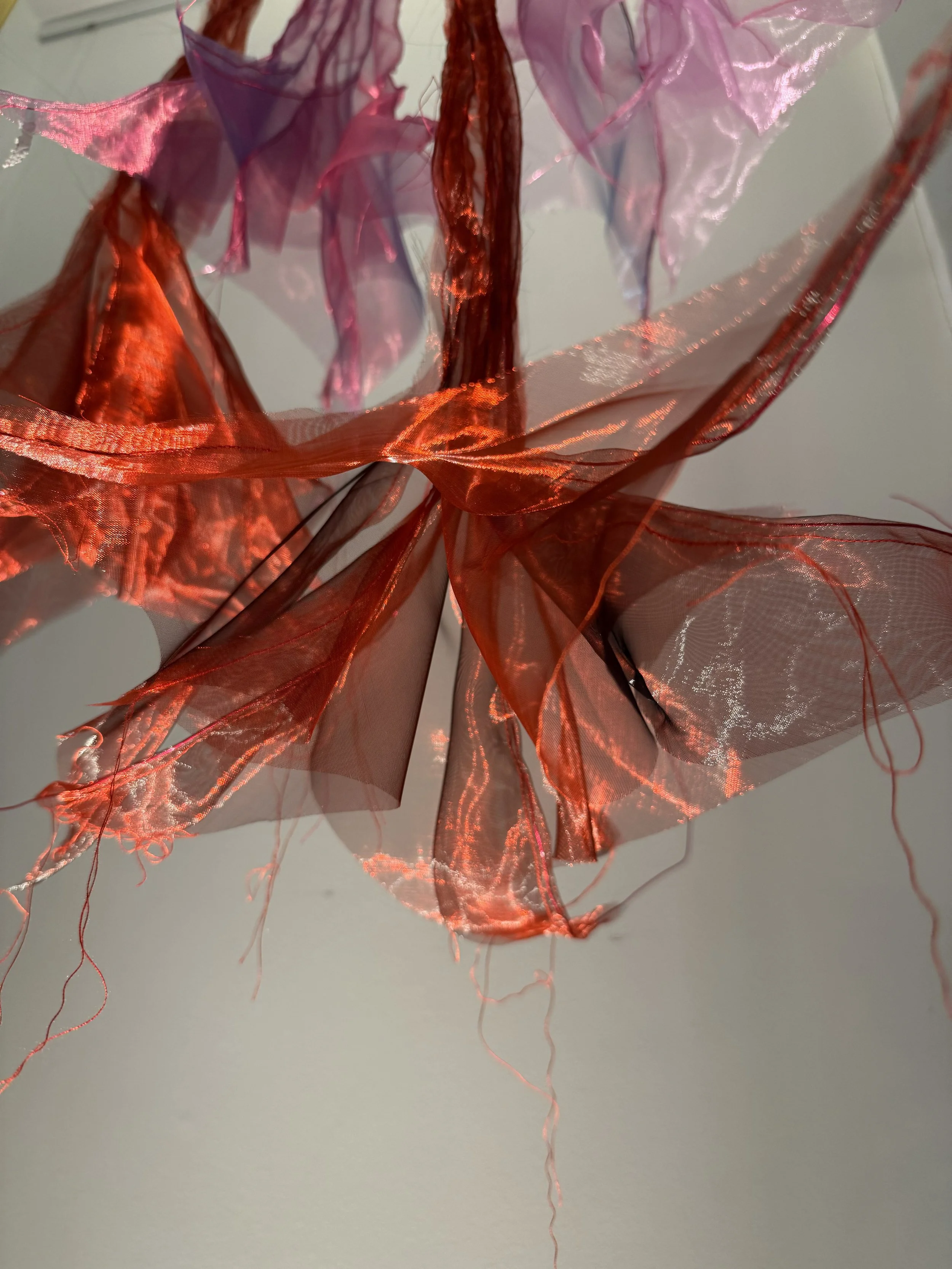
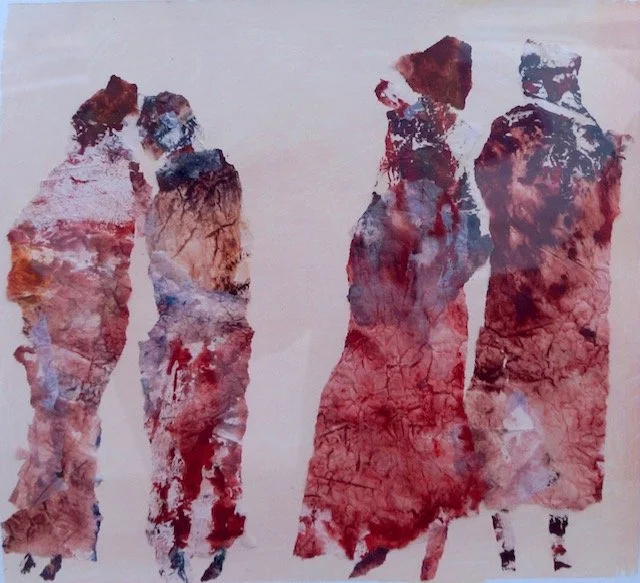

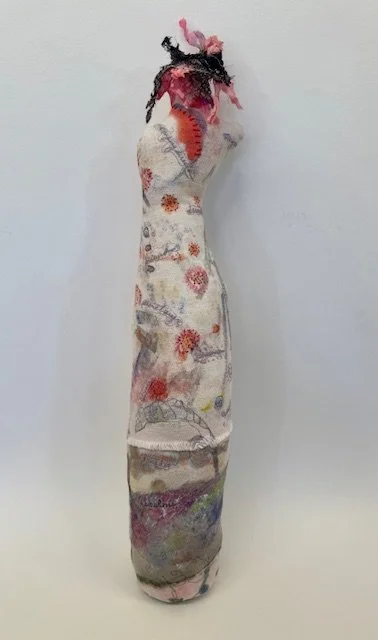
The idea of the “mature woman” often suggests completion, as though a final version of the self has been reached. Yet this notion is increasingly being questioned. For many women, maturity is not about being finished, but about remaining open—retaining curiosity, creativity, and a sense of play.
Across decades of lived experience—through dancing, singing, painting, and making—one theme recurs: the ongoing challenge of kindness, particularly towards oneself. It is a lesson often learned later than expected.
With age comes a shift in perception. Faces, once judged by youthfulness, begin to be seen differently: as maps of lived experience, marked by time and story. Like well-used maps, they hold evidence of journeys taken and lives fully lived. There is a growing acceptance—even fondness—for these visible traces, rather than a desire to erase them.
At the heart of this reflection lies art.
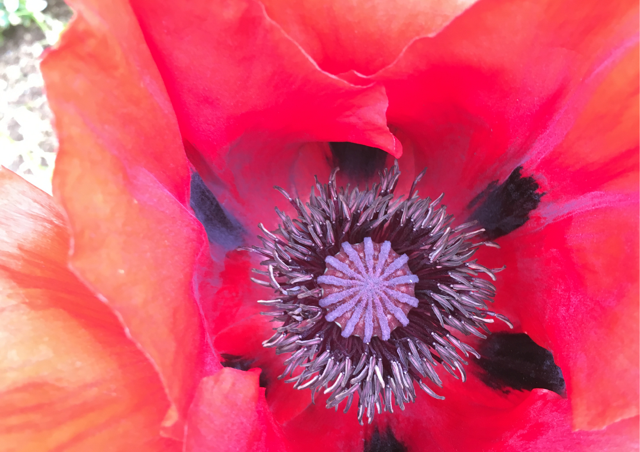
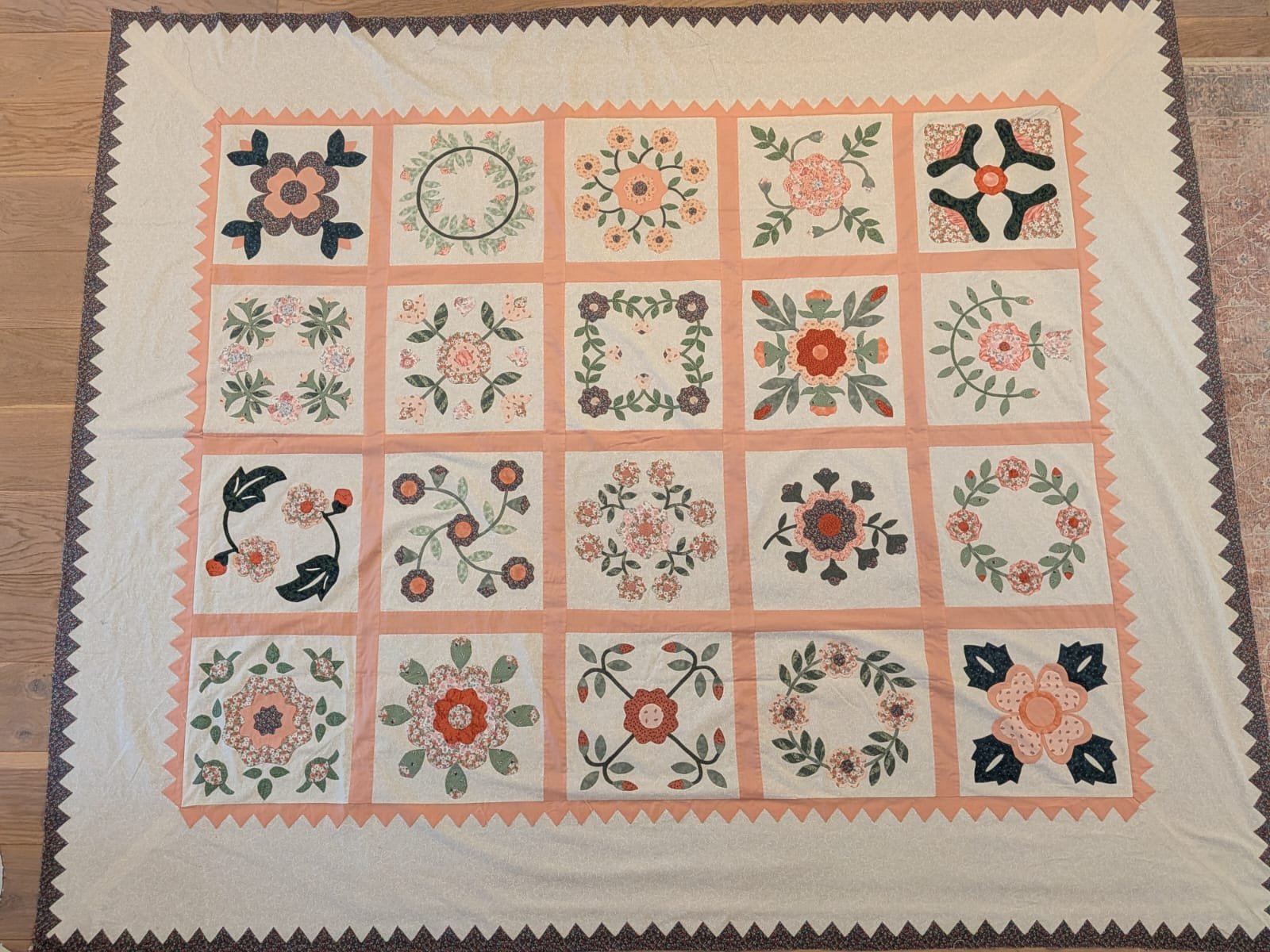
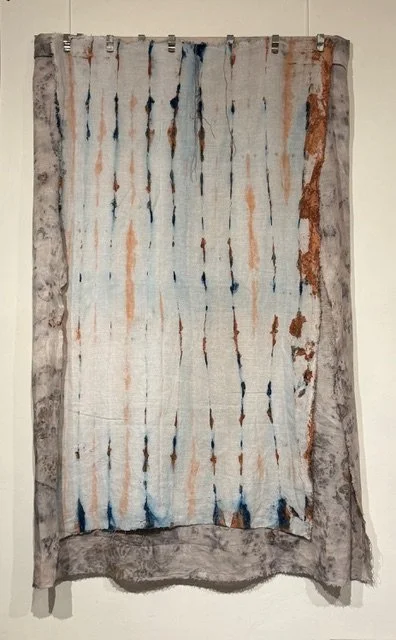
For one contributor, being an artist is not a role adopted later in life, but an identity that has always been present. The studio becomes a place of vitality, as do lectures, galleries, and conversations with other artists. While fear and uncertainty remain part of the creative process, they are no longer barriers but recognised stages—thresholds that can be crossed.
Over time, trust in that process develops. Work begins without rigid expectation, shaped instead by experimentation, responsiveness, and a willingness to let the piece evolve until it finds its own voice.
This artistic practice often turns its gaze toward women themselves—examining representation, uncovering what lies beneath the surface, and acknowledging both the strength and the complexity of women’s lives.
Alongside creative identity sits a broader reflection on legacy. Many women express a desire to be remembered not only for their achievements, but for their relationships: as loving partners, mothers, grandmothers, and friends—loyal, warm, and dependable. There is equal value placed on life’s quieter details: baking, hospitality, conversation, and presence.
Qualities such as fairness, diligence, and courage emerge as guiding principles, often rooted in personal belief or faith. For those working with their hands—as artists, makers, or weavers—the process itself carries deep meaning. There is a belief in mindful creation, and in the quiet, enduring power of making.
To name oneself—at 68, for instance—as a “mature woman” and an artist is, for some, an act of acceptance and pride. It signals not an ending, but a recognition of continued growth.
With age also comes a subtle liberation. Social expectations begin to loosen, making space for more honest forms of self-expression. There is less need to conform, and more willingness to speak, act, and create freely.
In place of the negative language often associated with ageing, a different vocabulary begins to take shape: increase, rise, improve, strengthen, flourish, develop, expand. These are not words of decline, but of possibility.
Ageing, in this light, is not a diminishing—but a becoming.
This sense of continuity is echoed in other aspects of life, such as gardening. For some, it has been a constant presence—woven through childhood, rediscovered after years of searching, and embraced as both practice and metaphor. Gardening offers connection: to time, to care, and to cycles of growth.
Walking through gardens together, women share stories as they observe what has been planted and nurtured. These moments—quiet, attentive, and communal—become another form of creative expression.
Yet the experience of ageing is not singular.
Gill, at 90, represents a different perspective. Independent, stoic, and elegant, she is also deeply private. For her, the modern world feels unfamiliar and, at times, alienating. Ageing has brought not only physical limitations but a sense of disconnection, as though the world has moved beyond her.
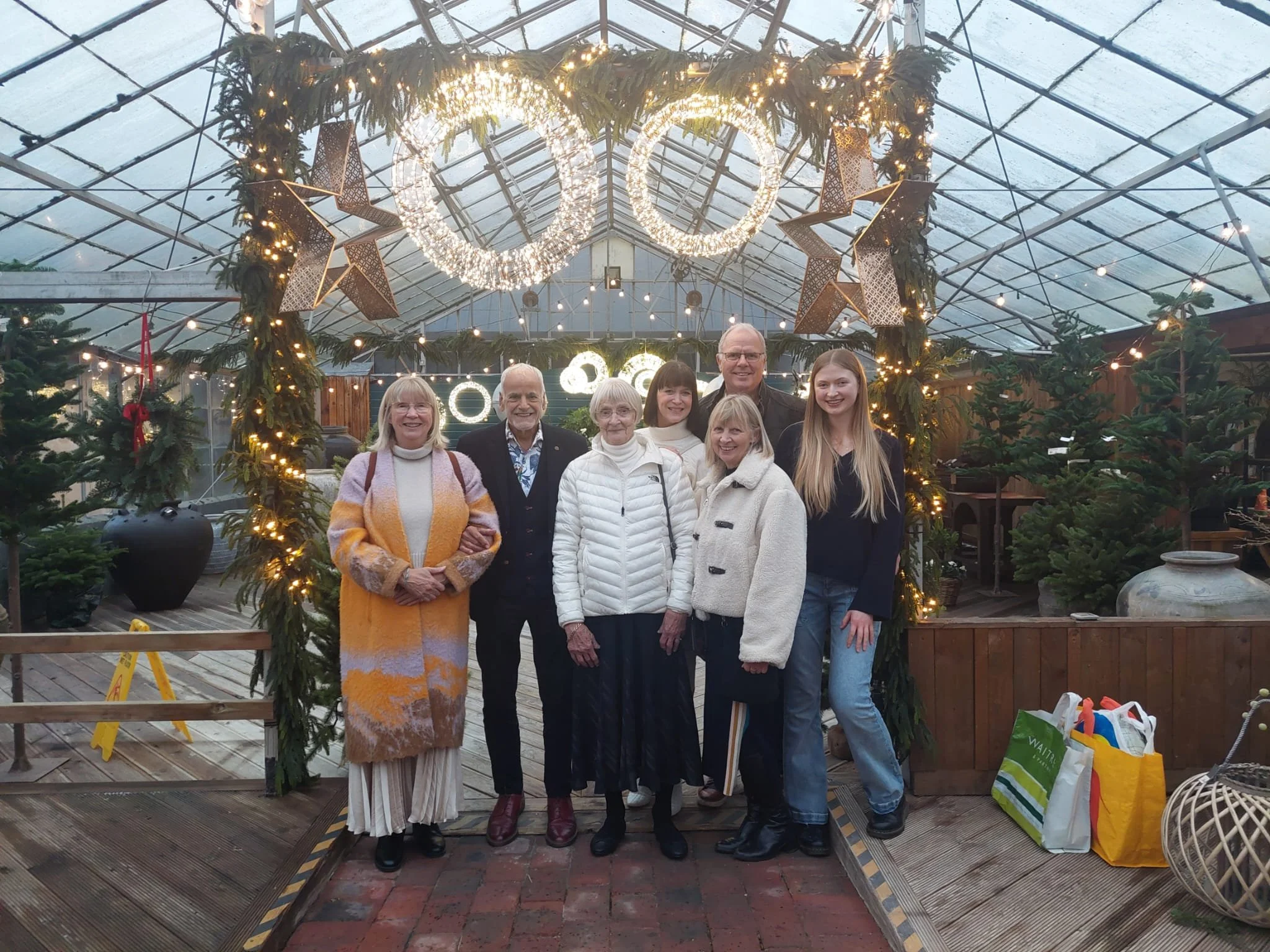
Gill (centre in white zipped jacket) with her family.
Her experience is a reminder that ageing holds both richness and challenge, freedom and loss. It cannot be reduced to a single narrative.
And yet, across these varied experiences, one thread remains constant: a sense of ongoing movement. A recognition that life does not simply resolve into a finished form, but continues to unfold.
Not finished. Still becoming…