The Symbolism of Flowers and Why They Still Matter Today
The Symbolism of Flowers and Why They Still Matter Today
Flowers have never been merely decorative. Across centuries of art and culture, they have carried meaning, about love and loss, power and ritual, beauty and decay. For today’s collectors, floral imagery offers something rare: a visual language that is instantly recognisable yet endlessly re-interpretable.
A Universal Visual Language
From weddings to funerals, flowers mark the most significant moments of human life. For centuries, specific blooms carried precise meanings, roses for love, lilies for purity, poppies for remembrance. Much of this folk knowledge has faded, but new symbols have emerged. In the UK, the red poppy has become one of the most powerful contemporary emblems of collective memory, sacrifice, and national identity.
For artists and collectors alike, this shared cultural literacy gives flowers an emotional immediacy that transcends style, period, and medium.
Beauty With a Warning: Flowers and the Vanitas Tradition
In seventeenth-century Holland and Northern Europe, floral painting reached extraordinary popularity through the vanitas tradition. These opulent still life paintings, bursting with tulips, roses, exotic imports, and gleaming glassware, celebrated wealth, global trade, and technical mastery.
But beneath the beauty lay a moral message. Wilting petals, fallen leaves, skulls, and hourglasses reminded viewers that life is fleeting. These paintings asked collectors to contemplate mortality, time, and legacy; concerns that remain deeply resonant today.
For contemporary collectors, vanitas inspired floral works often signal intellectual depth as well as aesthetic refinement.
Flowers, Femininity, and Hidden Power
During the Victorian era, floral painting became one of the few socially acceptable artistic pursuits for women. Excluded from formal training and life drawing, women turned to botanical subjects as a space for creative expression.
Flowers allowed women to communicate ideas, tell stories, and develop professional artistic identities, albeit within restrictive social boundaries. This history embedded flowers with associations of femininity, fragility, and beauty, but also quiet resistance.
Understanding this context adds a powerful layer to collecting floral works by women artists, both historical and contemporary.
Identity in Bloom: Why Flowers Still Speak Today
Floral symbolism remains deeply relevant as artists continue to question identity, gender, and the body. As cultural definitions of femininity and masculinity evolve, flowers persist as potent metaphors.
As literary platform Petal & Poem notes:
“As the world continues to grapple with questions of gender and identity, flowers will undoubtedly remain central to the exploration of what it means to be feminine in both traditional and modern contexts.”
For collectors, floral works often sit at the intersection of beauty and politics, quietly radical, emotionally charged, and culturally current.
Contemporary Flowers: Beauty as Resistance
Today’s artists use flowers not to soothe, but to confront.
Banksy’s Flower Thrower replaces a weapon with a bouquet, transforming aggression into an act of peace.
Takashi Murakami uses cheerful floral motifs to explore trauma, consumerism, and post-war psychology.
Azuma Makoto pushes flowers into extreme environments, questioning humanity’s spiritual relationship with nature.
In contemporary collections, floral works often function as visual manifestos, balancing seduction with subversion.
Beyond Decoration: Flowers as Conceptual Tools
Modern floral art frequently abandons traditional symbolism altogether. Instead, artists use flowers to explore:
Ecology and climate anxiety
Mortality and impermanence
Identity and the body
Nature versus technology
Through abstraction, artificial materials, and scale, flowers become sites of tension, where beauty coexists with decay, and nostalgia meets disruption.
Institutional Recognition: Flowers in the Art World Now
This renewed interest in floral symbolism is strongly reflected in curatorial programmes.
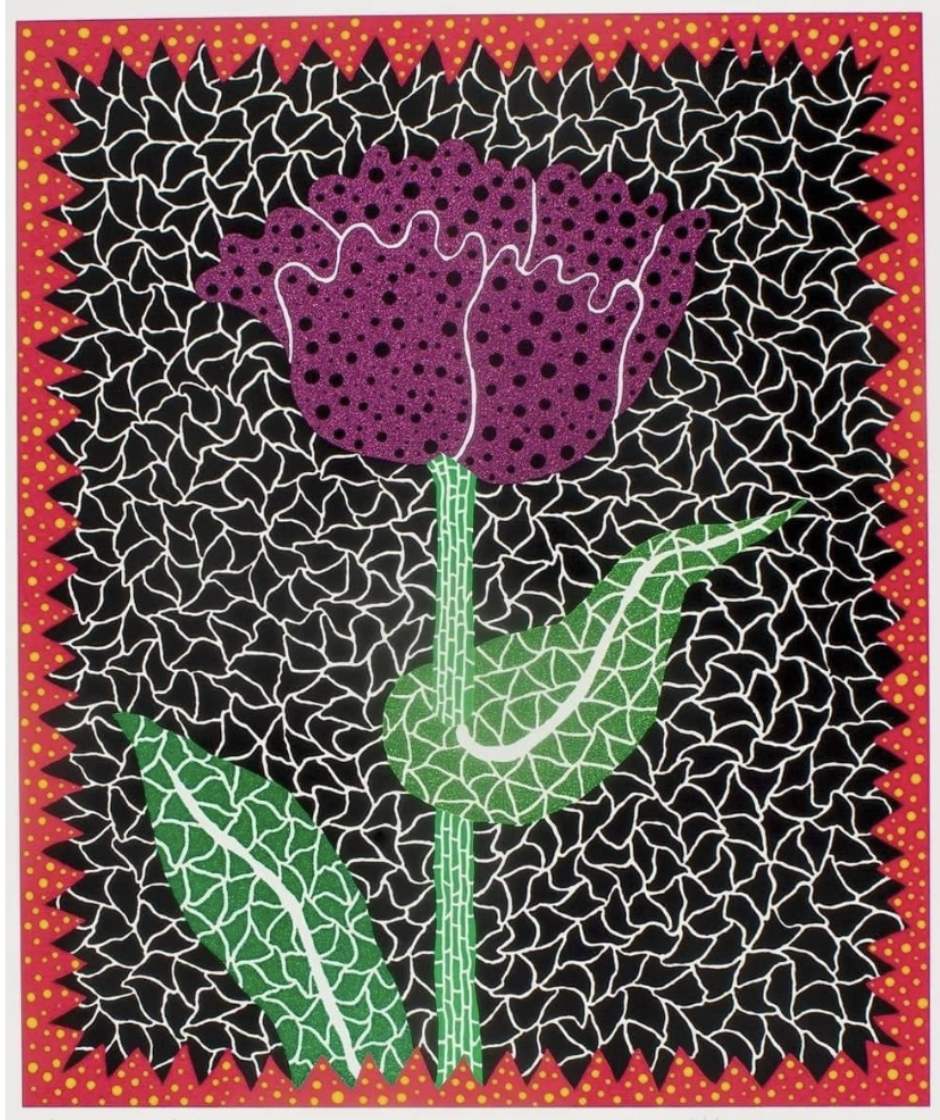
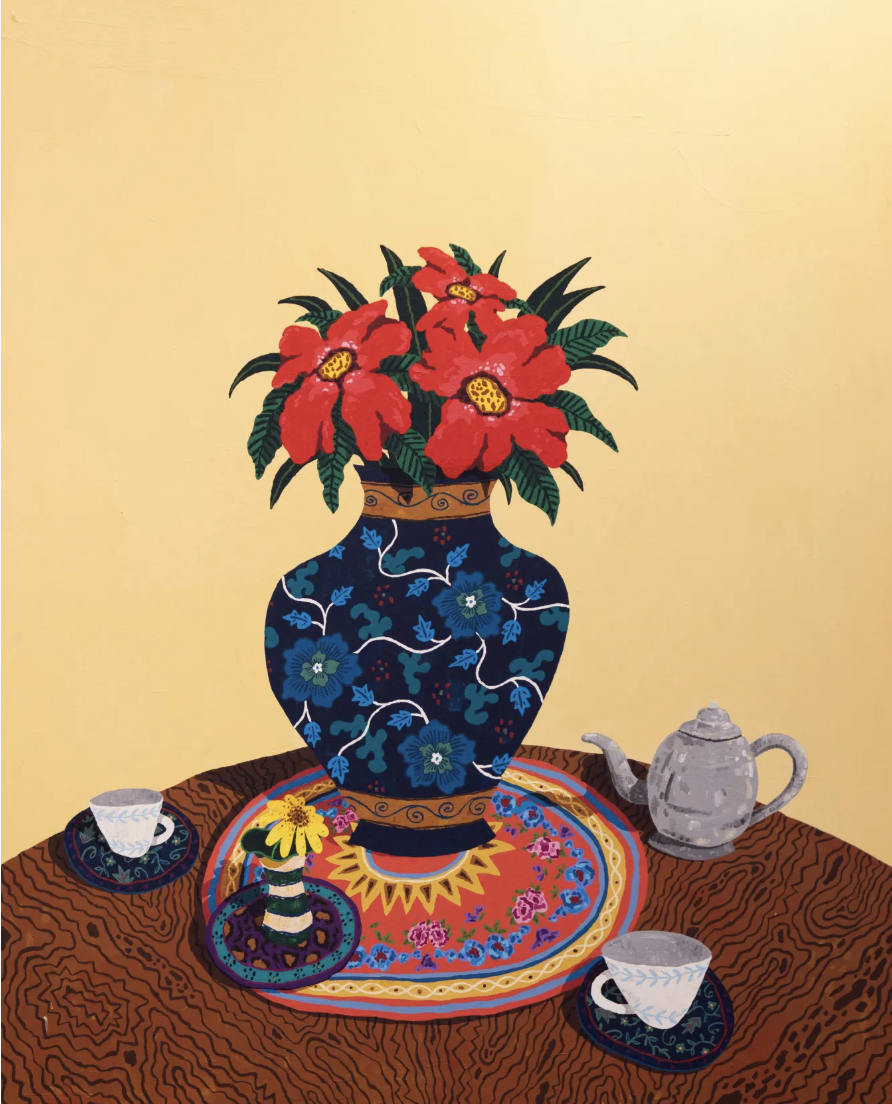
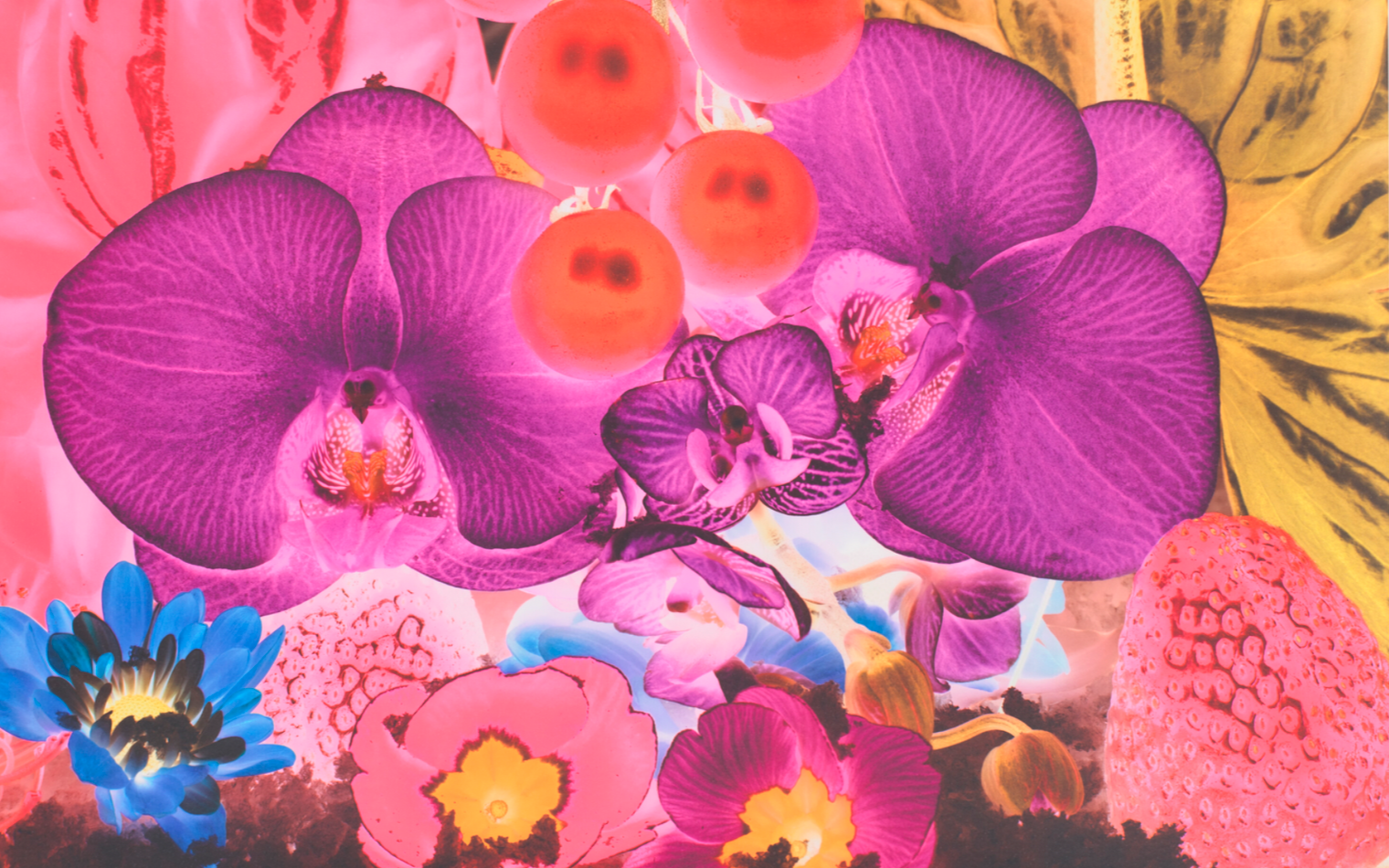
Maddox Gallery’s recent guide examining eight pioneering contemporary artists highlights how flowers are reimagined across psychology, materiality, and form. Artists such as Yayoi Kusama (Tulipe, 2000), Cooper (Afternoon Tea, 2024), and Marc Quinn (At the Far Edges of the Universe #4, 2010) demonstrate the extraordinary range of expression flowers continue to offer.
For collectors, institutional endorsement often signals long-term cultural relevance.
A Defining Moment: Saatchi Gallery, 2025
The Saatchi Gallery’s major exhibition Flowers – Flora in Contemporary Art & Culture (February–August 2025) confirmed the enduring power of floral imagery. Spanning two floors and nine gallery spaces, the exhibition traced floral representation from Renaissance painting to contemporary installation, fashion, and design.
One of its most affecting works was Rebecca Louise Law’s immersive installation of dried flowers and wire. Designed to slowly decay, the work explored cycles of life, beauty, consumption, and loss, forcing viewers to experience time passing in real terms.
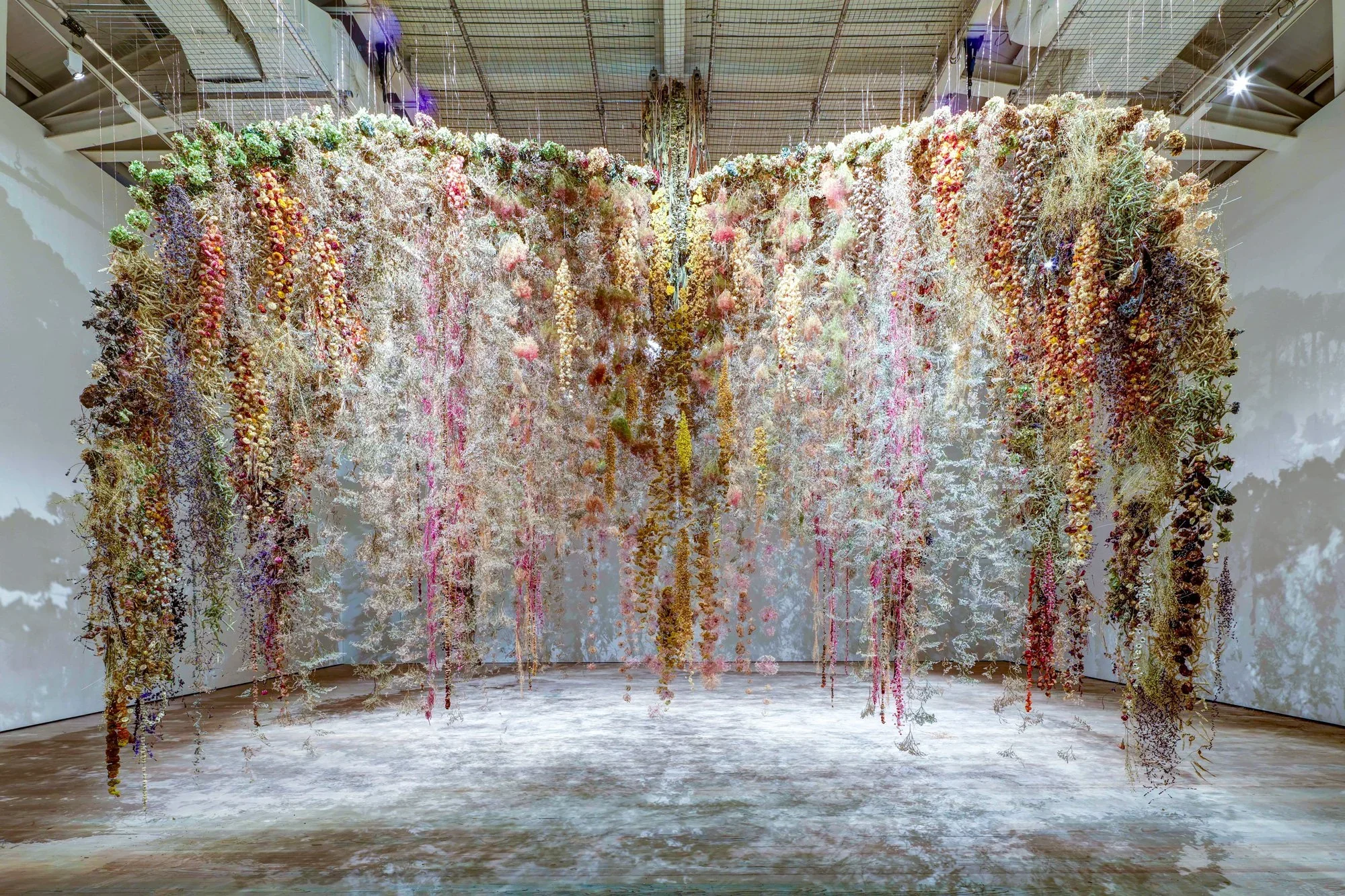
La Fleur Morte - Rebecca Louise Law
Conclusion: Why Flowers Endure
I am of the opinion that flowers endure in art because they mirror us. They are beautiful, fragile, political, emotional, and temporary. For collectors, floral works offer far more than visual pleasure: they carry history, symbolism, and cultural weight while remaining open to reinterpretation.
Far from being decorative, flowers remain one of the most powerful and collectable symbols in contemporary art.
Summary (1 minute read):
Flowers have never been just decorative. Across history, they’ve symbolised love, loss, ritual, identity, and the passage of time, making them one of art’s most enduring visual languages.
In seventeenth-century Europe, lavish floral still life paintings formed part of the vanitas tradition. While celebrating beauty and wealth, they also warned viewers of life’s fragility through wilting petals and symbolic objects. These themes of mortality and legacy remain highly relevant to collectors today.
During the Victorian era, flowers became an acceptable artistic subject for women excluded from formal training. Botanical imagery allowed them to express creativity and identity within restrictive social norms, embedding flowers with lasting associations of femininity, beauty, and quiet resistance.
Contemporary artists continue to use flowers as powerful conceptual tools. From Banksy’s Flower Thrower, which reframes conflict as peace, to immersive installations by Rebecca Louise Law that explore decay and impermanence, floral imagery now addresses ecology, trauma, gender, and cultural change.
Major institutions such as the Saatchi Gallery and Maddox Gallery have reaffirmed the relevance of floral art, highlighting its ability to evolve while remaining emotionally immediate.
For collectors, flowers endure because they balance beauty with meaning, offering works that are visually compelling, culturally resonant, and rich in symbolic depth.